
Unplugging from the Matrix: A Weekend Escape to Japalouppe Petting Farm

Software Architecture, DevOps & System Design
In this article
- Escaping the usual screen time to spend a refreshing Sunday morning interacting with nature and farm animals.
- Planning a seamless late-morning visit with a toddler in tow, including booking logistics and weather preparations.
- Discovering a variety of animals ranging from demanding donkeys to majestic, ego-driven emus and gentle guinea pigs.
- Experiencing the hands-on animal feeding tours guided by knowledgeable staff in well-maintained, covered enclosures.
- Enjoying a hearty, family-friendly lunch spread that perfectly wraps up an engaging and unplugged weekend getaway.
The Bottom Line: Sometimes the best way to recharge your mental batteries is to step completely offline. My weekend visit to Japalouppe Petting Farm proved to be the perfect reset—offering a highly structured, engaging, and family-friendly environment that delighted both me and my toddler, despite the monsoon drizzle.
As someone who spends most days architecting distributed microservices and debugging Sev-1 outages, my idea of "chaos" usually involves cascading network failures or sudden database deadlocks. But this Sunday, I traded my IDE for an umbrella and faced a completely different kind of unpredictability: a toddler at a petting farm.
I took my family to the Japalouppe Equestrian Centre, located just off the Solapur-Mumbai old highway. If you're approaching from the Pune side, like I was, the Google Maps directions can be a bit tricky. It suggested a U-turn after crossing the Somatane Phata Toll Booth, but fortunately, there was a U-turn available just before the toll, which saved us some hassle.
Here is the Google Maps link if you're planning your route. Keep an eye out for their sign-board on the highway; it's not immediately obvious if you're driving fast.
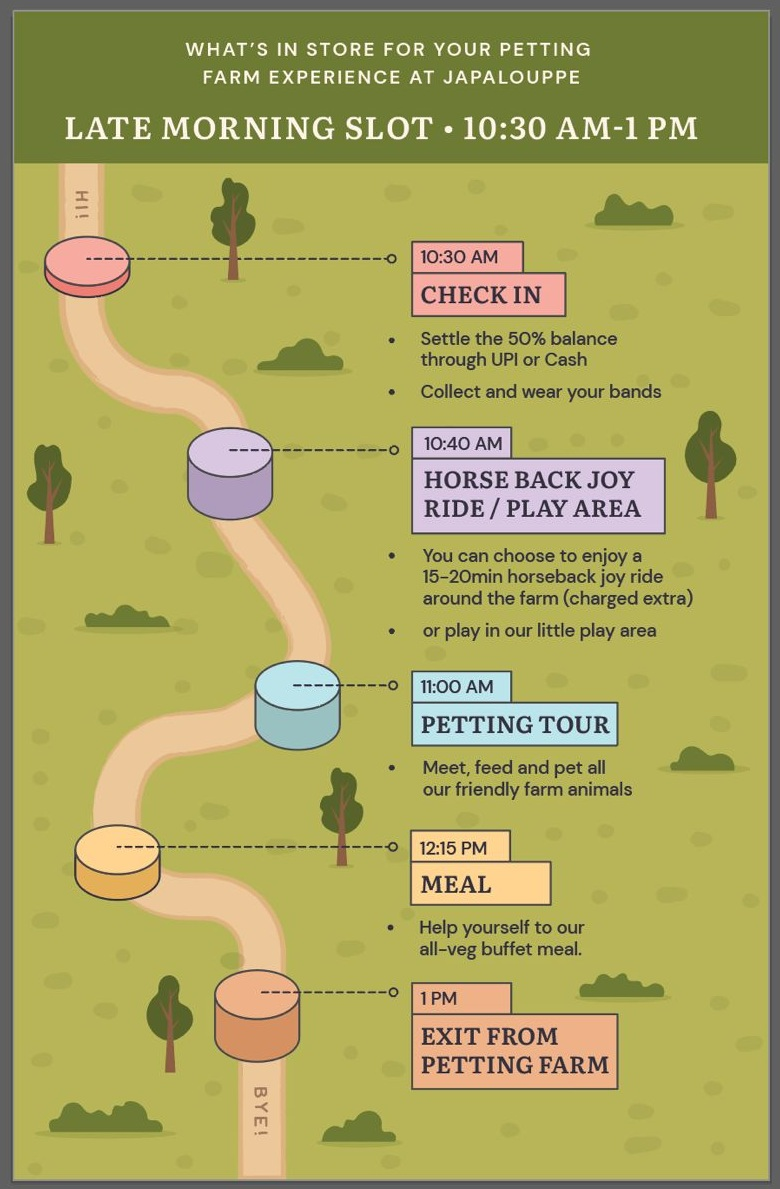
How do you book a slot? I booked the late-morning slot online via their website. They offer five different slots starting from 9 AM. I chose the 10:30 AM – 1:00 PM window. The process was smooth—you pay 50% upfront to confirm, and the remaining 50% at the venue.
Almost immediately after booking, I received a confirmation email, followed by an "Unpredictable Weather / Rainy Weather Tips" guide. Since it was the peak of the monsoon season, this proactive communication was a nice touch. They mentioned that the seating area and most of the animal pens are fully covered, but advised carrying umbrellas and a change of clothes for kids.
I arrived right on time at 10:30 AM. There was ample open parking. After paying the remaining balance at the check-in counter, we received our entry badges.

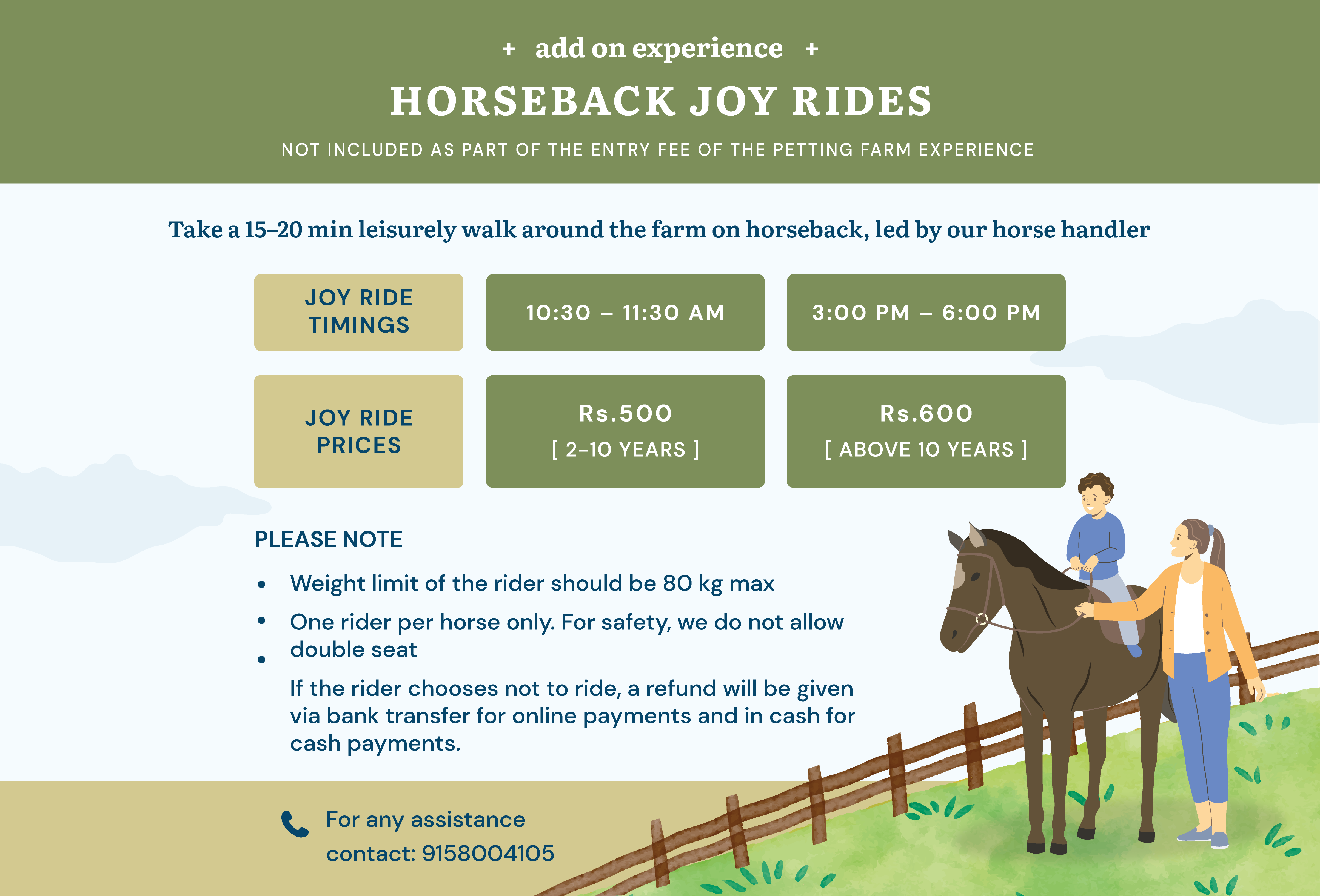
We had about 30 minutes before our scheduled orientation. During this "downtime," you can opt for a horseback joy ride (if you purchased a coupon) or let the kids loose in the play area. While the play area was clean, the playground equipment felt a bit dated. We instead chose to wait by a small pond, enjoying the vibrant, multi-colored fish.
At 11:00 AM sharp, our orientation began. The guide gave clear, English instructions on how to safely interact with the animals and birds. It felt like a well-structured onboarding process for a new API—five minutes of clear documentation, and then we were handed our credentials: a basket full of carrots and cauliflower leaves.
We were divided into small batches of 10-12 people, each with a dedicated guide. Our guide, Pranav, was exceptional at managing both the crowd and the animals.
The "State Machine" of a Petting Farm Tour
You didn't think I could get through an entire family weekend without compulsively mapping it out as a system architecture diagram, did you? Here is the state machine of our petting farm tour:
We started with the donkeys. There were three of them, and one was clearly the alpha—dominating the others to monopolize the food.
Next were the iguanas. Pranav explained that the female iguana was a bit aggressive and didn't appreciate being petted (a classic "Access Denied" scenario). The male was more relaxed, resting on a branch while the female ate the leaves already placed for them. (Fun fact: Iguanas have a "third eye" on top of their heads. It doesn't see shapes, but detects changes in light to spot predators—basically a built-in hardware motion sensor!)
It was around this time that a slight drizzle started. Although the pens were covered and had extra space for us to huddle, I ran to the car to grab my umbrella just in case a heavy downpour decided to stress-test their infrastructure.
The highlight for my toddler was the guinea pigs. Pranav made everyone comfortable, helping interested guests take the guinea pigs on their laps to feed them. It was a gentle, delightful experience.
When we reached the horses, the rules became strict. Why no cauliflower leaves for horses? Apparently, it can cause colic. We were only allowed to feed them carrots, holding them with three fingers to avoid any accidental bites.
Then came the Emus—the flightless birds with massive egos. Feeding them required a specific technique: you had to hold the leaves tightly in your hand so they could pluck them. If a leaf fell to the ground, the bird was too proud to eat it.
The turtle pond featured a small artificial island housing around 15-20 turtles. Pranav taught us the proper technique to hold them without getting scratched by their claws. Only two people in our batch were brave enough to try; I opted for read-only mode and just watched.
Entering the bird's nest was like passing through a double-door airlock designed to prevent escapes. We were strictly instructed not to shout, as noise scares them away. Inside, we held seeds in cupped hands, and the birds flocked to us, sitting on our arms. It was chaotic but beautiful.
Finally, we fed puffed rice to ducks and swans—no teeth, so no biting risk, just a funny tickling sensation on the palm. Pranav also showed us a neat trick to identify male and female swans just by looking at the bulb on their head.
After a brief stop at the Punganur cattle and Cockatoos (who refused to dance for us), the tour wrapped up and it was time for lunch.
The lunch spread was fantastic: idly sambhar, puri chole, dhokla, dal khichadi, steamed sweet corn, pizza, chocolate brownie, and waffles. The puri and pizza were being prepared fresh in front of us. The food was delicious and, perfectly, non-spicy enough for my toddler.
You might be wondering why there are no photos of the animals in this post. Honestly, it’s a bad habit of mine as a blogger, but a good one as a parent. I prefer to stay in the present and experience the moment rather than viewing it through a smartphone screen. Sometimes, you just need to put the device away. If you're curious about the animals, you can check out their Instagram for photos and reels.
My Personal Takeaways
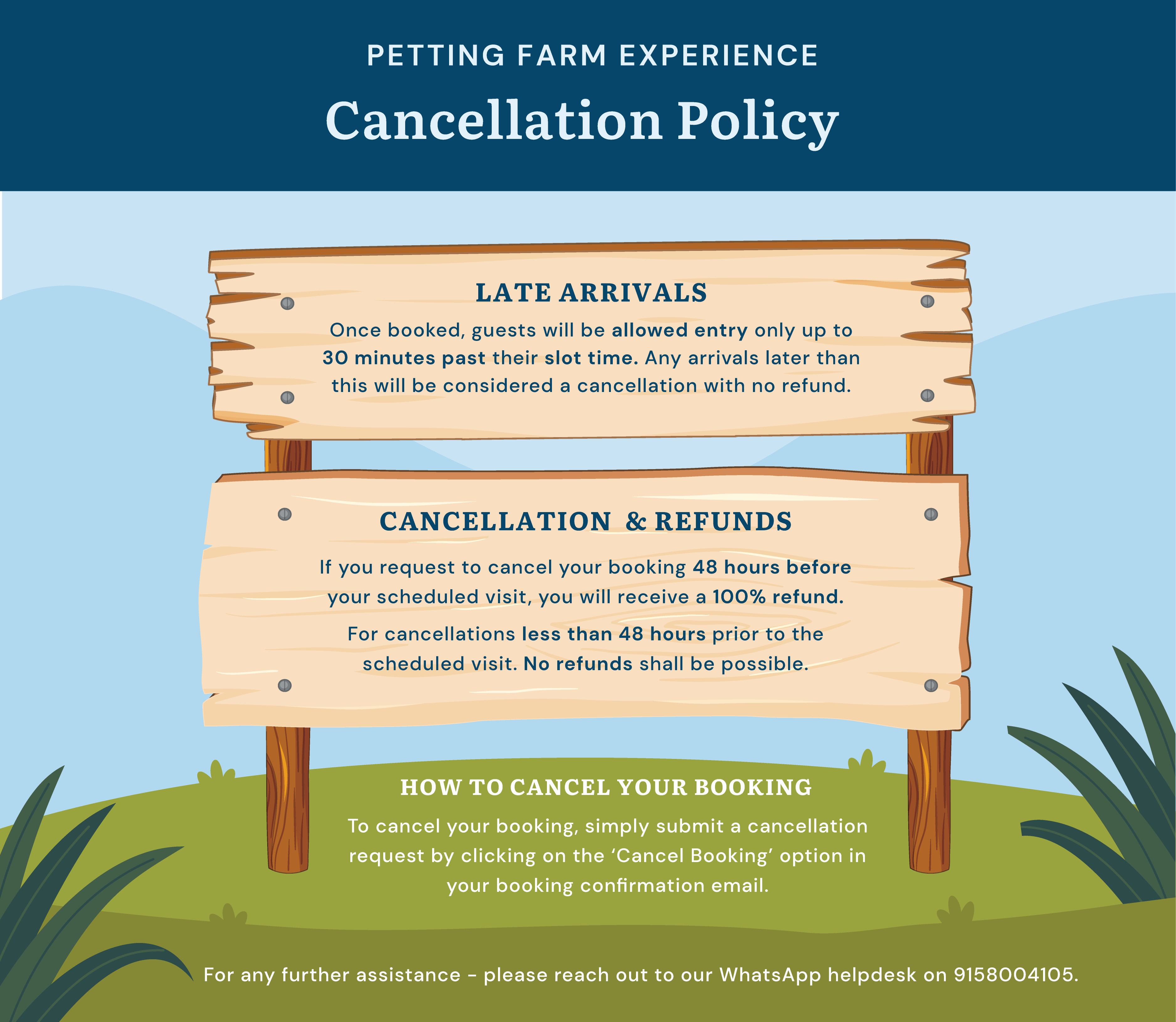
- Excellent Cancellation Policy: Their refund policy is very fair. If it starts pouring before the tour and they can't conduct it, you get a 100% refund (and can still pay for a meal if you choose). If you cancel 48 hours in advance, it's also a full refund.
- Great Guides: Pranav was fantastic at ensuring both the animals and the visitors were safe and comfortable.
- Weather Preparedness: They handle the monsoon well, but definitely bring an umbrella because the transitions between covered pens can get wet. If you're visiting on a sunny day, don't forget to pack a sun hat, caps, and a water bottle.
- Unplug and Enjoy: Don't stress about taking the perfect photo. The joy of a child feeding a guinea pig is better experienced live than recorded.

Sandeep Kumar
Founder & Software Architect | Author of “The Operational State Control Plane”
Electronics engineer, software architect, and author of The Operational State Control Plane. Specializing in system design, distributed resilience, and building scalable tech solutions with real-world engineering insights.